
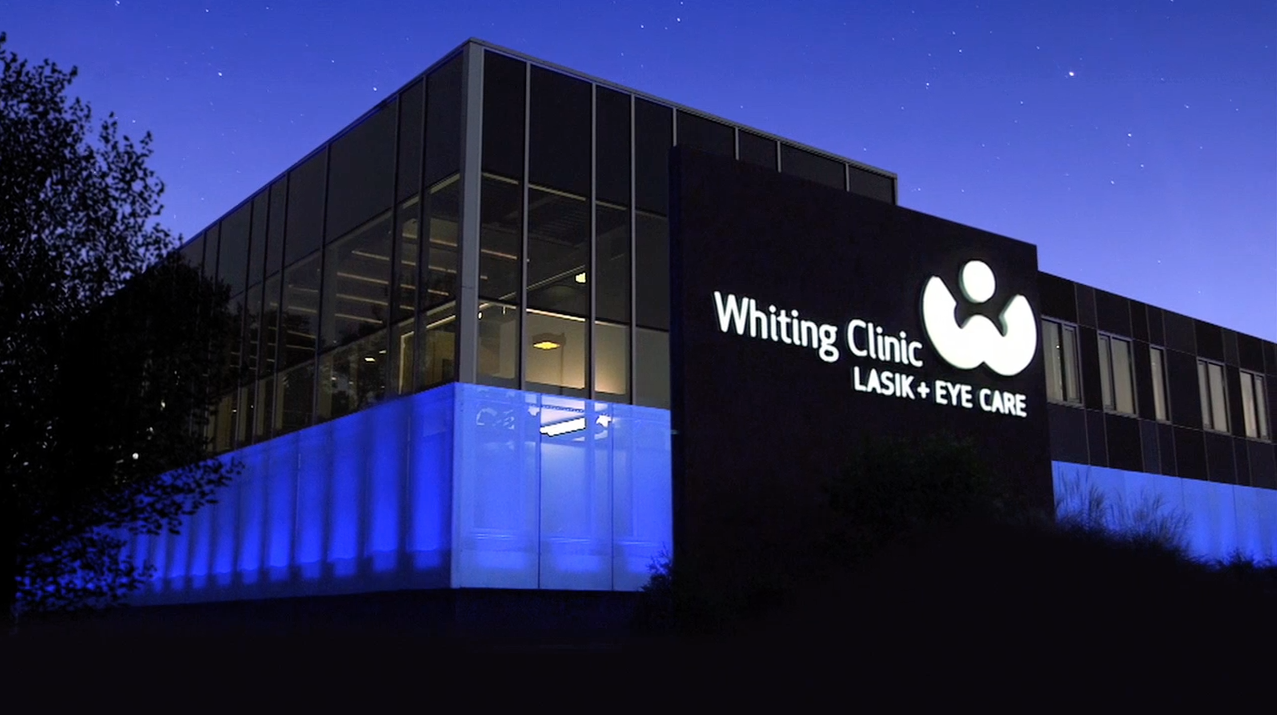
Minnesota’s most experienced teams having performed more than 225,000 LASIK procedures
-
 Learn More
Your LASIK Experience
Welcome to Whiting Clinic, your premier destination for LASIK surgery. Our top priority is ensuring your comfort throughout your entire LASIK journey, which starts with your initial consultation through to your post-treatment care. With a strong emphasis on addressing your concerns, understanding your unique needs, and delivering exceptional care, we strive to provide the best experience possible in Minneapolis.
At Whiting Clinic, you can trust that your vision is in the hands of experts. Our renowned team of experienced LASIK surgeons, Drs. McCurry, January, and Liegner, have joined forces to create one of the most skilled LASIK teams in the nation. With a combined experience of over 65 years in refractive surgery and an impressive track record of more than 225,000 successful treatments, you’re in caring hands.
Choose Whiting Clinic for our unwavering dedication to our patients and our unwavering commitment to medical excellence. Experience the passion we have for delivering exceptional care and the expertise we bring to every procedure. Trust us to guide you towards clearer vision and a brighter future.
-
Learn More
Cost and Financing
We provide straightforward pricing, guaranteed financing‡ that is simple to use, and provide advanced testing to ensure you are a safe candidate. We match any competitor’s price for the same technology too, allowing you can choose the provider where you are most comfortable without wondering if you are getting the best value.
-
Schedule Today
Our history
Whiting Clinic was founded in 2009 by Dr. David Whiting. We are proud to continue the work started by Dr. Whiting and continue to serve the Minneapolis community with better vision through LASIK. Scheduled your free LASIK consultation with us today to learn more about how we can help you reduce or eliminate your need for glasses and contacts.





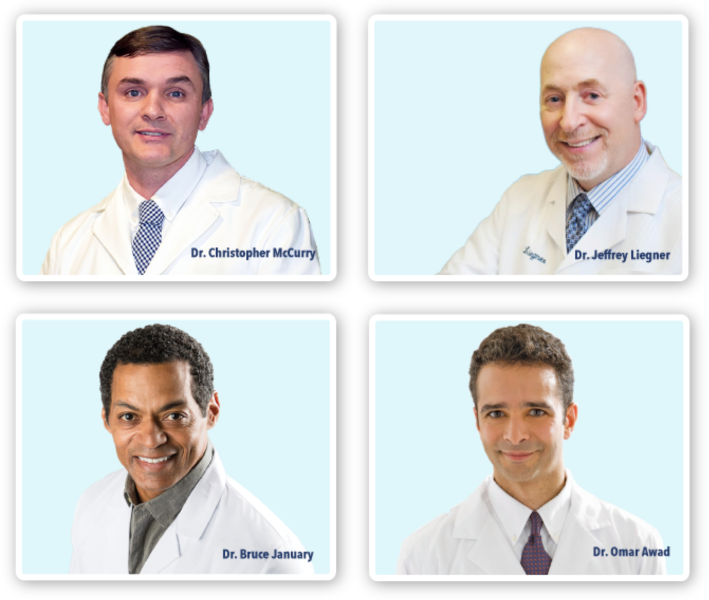
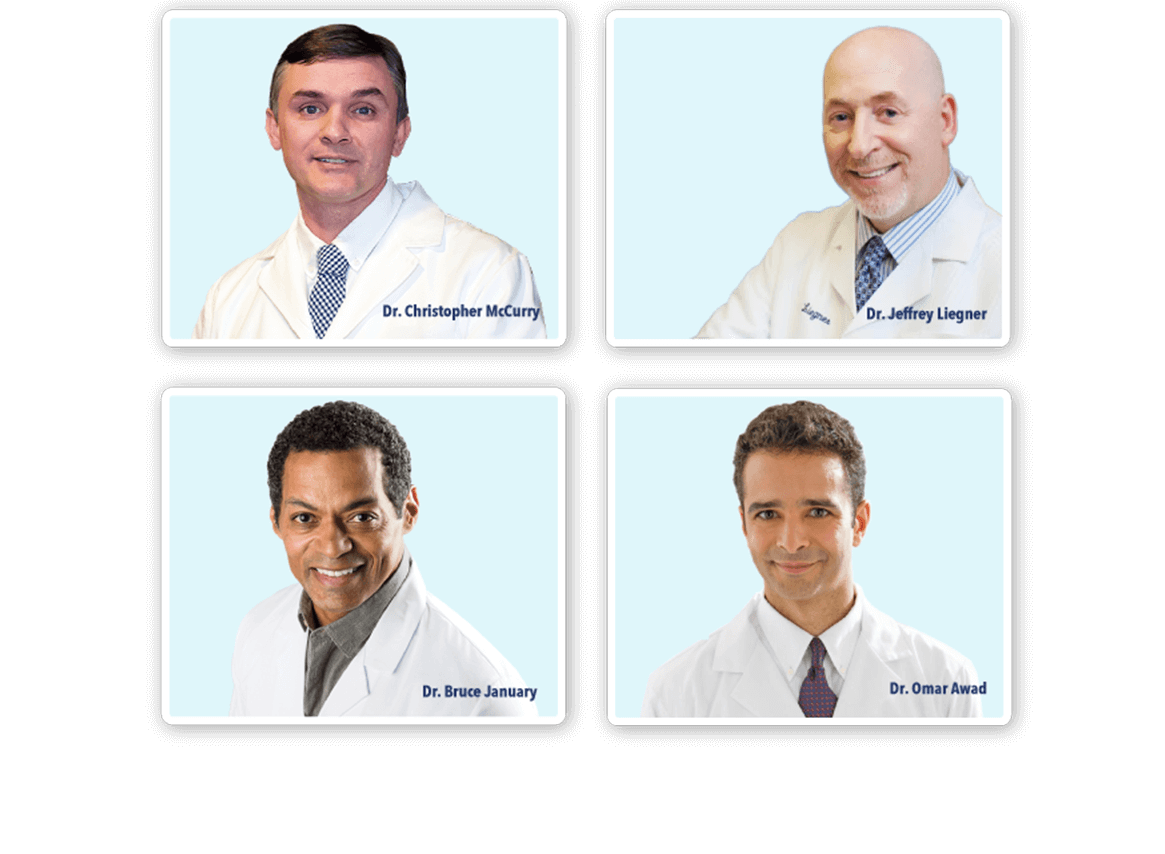
Our LASIK Surgeons
Creating the best LASIK surgery Journey in Minneapolis.
Drs. Christopher McCurry, Bruce January, Omar Awad, and Jeffrey Liegner work closely together and with the medical team in Minneapolis to ensure every person who can safely have LASIK has the opportunity to take advantage of this life-changing procedure & our amazing patient care at industry-leading value and affordability.
The entire team at Whiting Clinic is committed to making your LASIK Journey comfortable and memorable. We want to provide the best patient care and best outcomes possible, making sure we meet your needs along the way. LASIK can be a life-changing procedure and we hope to share in that excitement with you every step along the way.
Your LASIK Journey
1
LASIK Consultation
This is your opportunity to get the answers to your questions and learn about how the Whiting Clinic procedures can help you achieve the best vision possible. This consultation includes providing you with the best price possible as well as assisting you in setting up financing if you are interested.
2
Testing
Our primary goal is to make sure you are a safe candidate for the Whiting LASIK procedure and that you are comfortable with your decision to have LASIK. We use advanced technology to find the best solution for your unique vision needs.
3
Your Treatment Day
We will provide you with the details of what to expect during your treatment day, but your only task is to relax and get excited to experience improved vision. The actual procedure itself takes only minutes and while a bit blurry, your vision will be better as soon as you sit up from the treatment bed.
4
Enjoy Life!
We will see you within a few days after your treatment for a quick follow-up. For most patients, this is the only additional appointment needed as recovery after LASIK is relatively easy. Your goal is to enjoy every moment of life after LASIK.
Learn More by Scheduling your Free LASIK Consultation. Get Started 
Schedule Online
Let’s find the perfect appointment for you!
What our clients are saying